
A point is reached in the life of every statesman at which he must ask himself a single question: Have I really served my people, or have I merely occupied a position of power?This question has become particularly important regarding one political veteran who was voted out of office in 2023, having served in parliament for a period of eighteen years. For this man, a comeback to the legislature has been the subject of the liveliest discussions of his career, of his relations with the people, and of the legacy he left behind him.
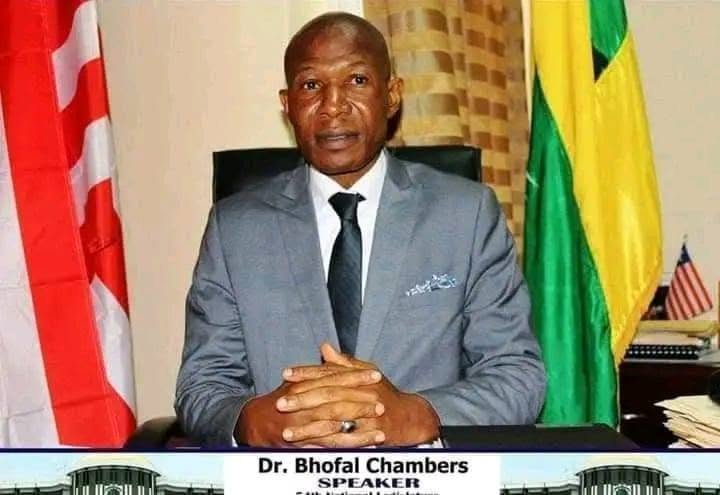
UNQUENCHABLE THIRST FOR POWER: When the Desire to Return to Power Overshadows the Needs of the People.
By Bannie Browne
A point is reached in the life of every statesman at which he must ask himself a single question: Have I really served my people, or have I merely occupied a position of power? This question has become particularly important regarding one political veteran who was voted out of office in 2023, having served in parliament for a period of eighteen years. For this man, a comeback to the legislature has been the subject of the liveliest discussions of his career, of his relations with the people, and of the legacy he left behind him.
Every citizen has the right to be chosen by the people, but when it comes to a person who has enjoyed political power for nearly two decades, the people deserve more than a rerun of his previous experience and a reminder of his achievements. There is nothing wrong with wanting to return to public service, but they deserve a serious discussion of the fruits of those years.
Eighteen Years: What Do the People Have to Show?
18 years is a long time in the life of a community. A child born at the time when this ex-legislator was first admitted to the legislature would be of age when he retired from it.
Think for a moment about what those years mean to an ordinary family.
At that time a mother who had been unable to pay the children’s school fees was probably still struggling. A young man who once dreamed of becoming an engineer, teacher or businessman may have spent those years searching for an opportunity that never came. Farmers were still waiting for roads to open up; business owners were still struggling to expand.
These are the realities in which the conduct of statesmen must be measured.
The question is not how long a politician reigned, but how many lives he has improved, how many opportunities he opened, and how much progress he made during his reign. Certainly, no legislator can solve every problem.
Development is something that needs the co-operation of legislature, executive, municipal authorities, and the local populace. But after eighteen years of government, citizens have every right to ask what their representatives have done.
The Forgotten Dreams of Young People
Perhaps the most painful question is that of the young people, whose hopes and aspirations must have played an important role in the life of the constituency.
In every settlement there are young men and young women who have some ideal, some who would like to become physicians, engineers, teachers, and others who would just like to work, even at a small post in the service, and earn money to support their families.
They do not necessarily want to be given money. They want opportunities to earn their own money, develop their abilities, and build their own lives.
Political handouts may be a temporary alleviation of hardship, but they are no substitute for a properly functioning school, a working vocational training center, dependable roads, and lasting employment.
A young person should not be obliged to wait on the alms of a statesman for his education or his career.
That is why we must look carefully at the former legislator’s record in youth development. What kinds of programs did he back? What kinds of investments did he bring in? What opportunities did he establish that are still being exploited to the benefit of youth today?
This question is more important than the number of political rallies that he holds, or the number or extent of the people who welcome him.
The Seat Belongs to the People
One of the most dangerous things in politics is the belief that holding a public office for a long time confers a permanent right to hold it.
A seat in the legislature is not an inheritance; it is not property which a former occupant may reclaim at any time he pleases. It is the property of the people who have a constitutional right to choose their representative.
Elections in 2023 ended the 18-year-long term of this seasoned politician in parliament. However he felt about it, the voters had exercised their democratic rights and replaced him with another.
This determination deserves our respect.
Returning to politics is his right, but to gain the confidence of the electorate he will need more than just to remind voters of his former position. He will need to explain what he has accomplished, to confess his mistakes, and to offer a credible perspective for the future.
He had not enemies in the voters who had voted against him; they were citizens whose opinion, even if they had not voted for him, was worthy of attention.
A Community Cannot Live on Political Rivalry
Politicians compete for power, but people are condemned to live with the consequences of decisions made in public service.
The farmer still needs a road, the graduate without a job still needs to be employed, the entrepreneur still needs credit; the parents still want to have better schools, reliable medical care, and a more certain future for their children.
These considerations do not disappear when one politician defeats another.
If the former lawmaker were to re-enter parliament, he would have to make an effort to address these issues of daily life. What would he do differently? What are his development priorities? How would he work with local authorities, leaders and government institutions to help create a better life?
His previous experience is of definite value, but it should be a basis for concrete proposals, not personal rivalries.
The present representative should be answerable as well. Political responsibility should apply equally to all who seek or exercise public office.
When Is Enough?
There is something quite human in the desire for a second chance. People are voted out of office, they reflect, they grow, they learn from their mistakes, and sometimes they return to public life with a new vigor.
But the second opportunity must be accompanied by a willingness to listen.
The retired lawmaker has a solid record in parliament which the citizens can examine; he has his election campaign to explain the difficulties and why he would like to stand again.
The electors, on the other hand, are entitled to rise above personalities and political loyalty. Citizens are entitled to examine the past, to question the present and to consider the future, without having to feel obliged to reward anybody for their years in office.
For the mother striving to educate her children, for the farmer awaiting a road, for a young graduate in search of a job, the principal question is not which candidate will be voted into the chamber, but whether their lives and communities will be bettered.
The thirst for political ambition may be unquenchable, but the people’s patience and trust should never be taken for granted.
Politics is an opportunity to serve, not a reward for years of political survival, and people have a right to expect the service to produce meaningful results.





Thank you so much for this brilliant piece of writing.
Thank you, Honorable!!!