Ratification Without: How the Liberian Lawmakers Failed the People of the Harper Basin
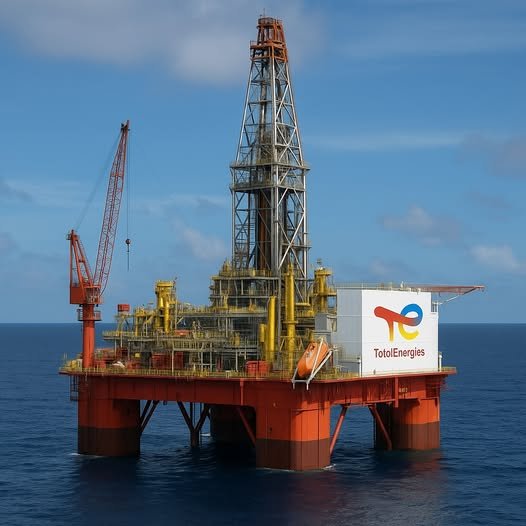
The Liberian Senate has gone ahead and ratified the TotalEnergies Production Sharing Contracts for the Harper Basin, and they did it fast, almost too fast. With one signature, lawmakers approved what might be Liberia’s most weighty petroleum deal in years, maybe decades. Yet for the people of Maryland and Grand Kru: the ones who live closest to the oil blocks, who will breathe the fumes, fish the waters, and feel the tremors: this ratification feels less like progress and more like déjà vu
By George H Nubo
The Liberian Senate has gone ahead and ratified the TotalEnergies Production Sharing Contracts for the Harper Basin, and they did it fast, almost too fast. With one signature, lawmakers approved what might be Liberia’s most weighty petroleum deal in years, maybe decades. Yet for the people of Maryland and Grand Kru: the ones who live closest to the oil blocks, who will breathe the fumes, fish the waters, and feel the tremors: this ratification feels less like progress and more like déjà vu, another betrayal dressed up as development. For the record, the two senators of Grand Kru County were the only senators from the Southeast who voted for the ratification. A lion’s share of the 5% for Liberians who own oil businesses will go to Senator Albert Chie of Grand Kru.
Once again, the country has picked speed over sense, ceremony over justice, and central power over local fairness. The Senate passed billion-dollar petroleum deals without a single binding line to protect or benefit the coastal communities whose livelihoods are directly at risk. This isn’t leadership, it’s almost like walking away from duty.
A Pattern Repeated, Not Broken:
Liberians have been here before. Iron ore concessions promised transformation but left behind broken roads and broken people. Rubber wealth made companies rich while the host towns stayed poor. Timber booms cleared forests and emptied trust. Every time, lawmakers said the same thing: that “benefits would trickle down.” They didn’t. They rarely do.
The Harper Basin ratification repeats the same tiring script:
Despite all the public talk about local equity, infrastructure, and environmental protection, the Senate passed the TotalEnergies deal without adding a single clause to guarantee county-level ownership, dedicated infrastructure funding, or enforceable social investment for Maryland and Grand Kru. The result is a national deal that feeds on local sacrifice.
Who Benefits from This Ratification?
Not the fishing families of Cavalla, Gbenelu, Rock Town, Middle Town, Fishtown, Garraway, or Grand Cess. Not the farmers of Pleebo-Sodoken whose roads turn into rivers of mud every rainy season. Not the women traders who lose their income when isolation cuts them off from markets. And not the youth who watch the oil platforms rise offshore while lacking the skills to ever work on them.
Instead, the benefits pile up where they always do:
• Central government ministries in Monrovia
• Politically connected middlemen
• A small circle of “local partners” whose nearness to power counts more than their nearness to impact.
This is especially strange given that the law says five percent of petroleum interests must be reserved for Liberian-owned entities. The Senate didn’t even try to redefine or redirect this rule to help the affected counties. In practice, that 5 percent has become a revolving door for insiders, not a tool for community growth.
The Senate Ignored the Counties Most at Risk:
Maryland and Grand Kru aren’t just dots on a map. They are living, breathing communities whose coastlines will take the hit from seismic surveys, drilling fluids, produced water, and possible oil spills. Their fisheries, already under stress, will be the first to suffer if anything goes wrong.
Yet the Senate approved the contract without:
• Allocating equity to county development trusts
• Creating ring-fenced revenue for local infrastructure
• Requiring county consent or representation in oversight bodies
• Setting binding social investment targets tied to local needs
This wasn’t an oversight. It’s a reflection of a political habit that treats counties as spectators to national deals instead of rightful stakeholders.
Roads, Schools, Clinics: Still an Afterthought:
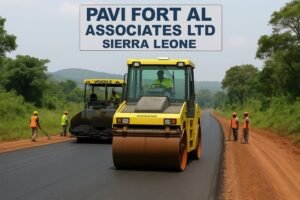
If the Legislature cared about development, roads would have been non-negotiable. Southeastern Liberia is still cut off from the rest of the country for months each year. This isolation isn’t natural; it’s political, and it’s maintained by neglect.
A straightforward amendment could have required that signing bonuses or annual payments go toward:
• Upgrading the Harper–Pleebo–Barclayville road
• Rehabilitating feeder roads for fishing and farming towns
• Building bridges and drainage systems to stop seasonal cut-offs
But the Legislators did none of this.
No binding commitments were made for education or health either. No technical institute, no guaranteed scholarships for coastal youth, no plan to fix regional hospitals. “Development” was mentioned, yes, but only in vague speeches, not in enforceable clauses.
Environmental Promises Without Teeth:
The Senate leaned on promises that environmental rules would be enforced later. That’s not comfort, that’s procrastination.
Environmental protection works best when written directly into contracts, not left for later enforcement that may never come. The Lawmakers could have required:
• Public release of Environmental and Social Impact Assessments
• Community participation in environmental monitoring
• Local seats on emergency-response committees
• Funding for spill preparedness and marine protection
By skipping all that, lawmakers weakened Liberia’s position before drilling even started.
And the silence about the US$16 million signing bonus tied to the TotalEnergies deal—well, that silence speaks loudly.
A Familiar Pattern of Centralized Deals:
Liberia’s history with natural resource concessions is a long loop of disappointment. Iron ore, rubber, timber, and gold: all looked good on paper but left behind poverty, damaged land, and broken promises. Lawmakers always said the same thing: “revenues will bring development.” They didn’t.
The Harper Basin deal walks the same road. Despite all the talk about local equity and environmental protection, the Senate approved the contracts without binding guarantees for the counties most affected. Maryland and Grand Kru are again spectators to a deal that will reshape their coasts and their futures.
The Silence Over the US$16 Million Signing Bonus:
The most enormous red flag in this whole process is the silence around the US$16 million signing bonus.
Unlike the US$200 million ArcelorMittal bonus, which the Executive proudly listed in the FY2026 Draft National Budget, the TotalEnergies bonus has vanished into thin air. No mention in the budget, no statement from the Ministry of Finance, no hearing record, nothing.
This silence isn’t random: it’s deliberate
If the Executive could show off the ArcelorMittal bonus publicly, why hide the TotalEnergies one? If lawmakers could debate the $200 million openly, why are they mute about $16 million that belongs to the Liberian people?
The lack of disclosure raises questions that no one seems eager to answer:
• Has the $16 million even been received?
• If yes, where is it sitting?
• Why hasn’t the Legislature appropriated it?
• Why has no part been set aside for Maryland and Grand Kru?
A Democratic Failure, Not Just a Policy One:
This isn’t just about economics or the environment: it’s about democracy itself. The people most affected weren’t consulted in any meaningful way. County officials were sidelined. Civil society voices were heard politely and then ignored.
The Senate had every right to amend, delay, or condition ratification for the people’s sake. Instead, it chose the easy path. This sends a dangerous message: that national resources can be signed away without the consent of those who live with the fallout.
What Justice Would Have Looked Like: A fair ratification would have included:
• Direct county equity in the petroleum blocks
• Binding social and infrastructure commitments
• Transparent management of local funds with citizen oversight
• Real environmental safeguards with community participation
These are not radical ideas.
The Struggle Is Not Over:
Ratification isn’t the end; it must be the beginning of a new kind of fight, one for accountability. Citizens, county leaders, civil society, and even the Diaspora must now push for corrective action through law, regulation, and constant public pressure.
The oil under the Harper Basin belongs to all Liberians, but justice demands that those closest to its risks see its first benefits. The Senate may have ratified the contracts, but it hasn’t ratified the people’s consent.
History will decide whether lawmakers used this moment to fix Liberia’s long extractive failures—or just repeated them, this time offshore.
And maybe that’s the saddest part: repetition feels normal now, and betrayal has become administrative. That’s okay. That’s more than okay because it means people remember. They see it. They’ll remember who signed what, and who stayed silent when it mattered. This is a sad lesson for the good people of these two counties: Maryland and Grand Kru. From the Southeast, only Grand Kru Senators for their pockets, and not for the people who elected them.
____________________________________________________________________________________________________About the Author: George H. Nubo is a civil and environmental engineer, and the Managing Editor of The Perspective Magazine.