US$39 Million for Liberia’s National ID System? Before We Spend, Show Liberians the Bill
Liberia needs a modern National Identification System. There should be little argument about that. A reliable biometric identity system can help government identify its citizens, reduce fraud, improve banking and revenue collection, strengthen national security, improve elections, and make sure that social benefits reach the people meant to receive them.
By George H. Nubo
Liberia needs a modern National Identification System. There should be little argument about that. A reliable biometric identity system can help government identify its citizens, reduce fraud, improve banking and revenue collection, strengthen national security, improve elections, and make sure that social benefits reach the people meant to receive them.
But needing a modern ID system does not mean Liberians should simply hear US$39 million and say, “Go ahead.” Thirty-nine million United States dollars is serious money in a country where hospitals need equipment, schools need chairs and laboratories, communities need safe drinking water, and thousands of Liberians still travel on terrible roads.
So, let us ask the question without accusing anyone of wrongdoing:
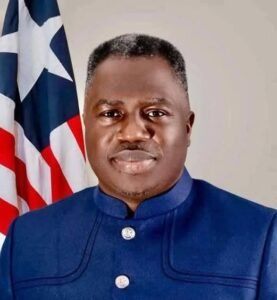
Why does Liberia need US$39 million for this project, and what exactly are we buying? According to recent statements attributed to National Identification Registry Executive Director Andrew Peter, the proposed investment would modernize NIR’s ICT infrastructure, decentralize enrollment, and allow identification cards to be produced closer to citizens. Those are worthwhile objectives.
But “ICT infrastructure, manpower and decentralization” are not a US$39 million budget. Where is the breakdown?
Look at Rwanda
Rwanda provides a particularly interesting comparison. The World Bank-supported Rwanda Digital Acceleration Project allocated approximately US$39.3 million specifically for Digital Identification and Authentication for almost exactly the US$39 million now being discussed in Liberia.
But consider the difference in scale. According to World Bank data, Rwanda had approximately 14.57 million people in 2025. Liberia’s population is less than half of Rwanda’s. Rwanda’s US$39.3 million investment is supporting modernization of its national identification and civil-registration ecosystem, including digital identity, biometric capabilities, digital authentication, electronic signatures, institutional strengthening, and systems that allow people to securely prove their identity when accessing government and private services.
So, Liberians have every right to ask:
If Rwanda can undertake a sophisticated US$39.3 million digital-identification and authentication project for more than 14 million people, what exactly will Liberia receive for US$39 million for roughly 6 million people? Population alone does not determine the cost of an identification system. Liberia will need servers, software, cybersecurity, backup systems, and other fixed infrastructure regardless of population. But the Rwanda comparison is strong enough to demand an explanation.
In fact, there is an Even Bigger Question: What About the World Bank’s US$30 Million? This is where the discussion becomes even more important. In June 2024, the World Bank approved a US$30 million International Development Association credit for Liberia’s Governance Reform and Accountability Transformation-GREAT-Project. And the World Bank specifically states that the GREAT Project will support the rollout of Liberia’s National ID system.
That changes the conversation
Before Liberia commits itself to another US$39 million arrangement, taxpayers deserve to know: How much of the World Bank’s US$30 million GREAT Project is already allocated to the National ID system? What equipment is the World Bank financing? Is it paying for biometric infrastructure? Is it supporting the national database? Is it financing enrollment? Is it paying for verification systems, APIs, connectivity, disaster recovery, or integration with other government databases?
And most importantly:
Is anything contained in the proposed US$39 million package already being financed under the World Bank project? Liberia must make absolutely certain that taxpayers are not paying twice for the same infrastructure. To be clear, the entire US$30 million GREAT Project is not for NIR. It supports several government reforms, including digital public services, revenue mobilization, procurement, accountability, and other institutions. But because National ID rollout is specifically included, the public deserves to know exactly how many GREAT dollars are going to NIR and what those dollars are buying.
Liberia is not starting from zero
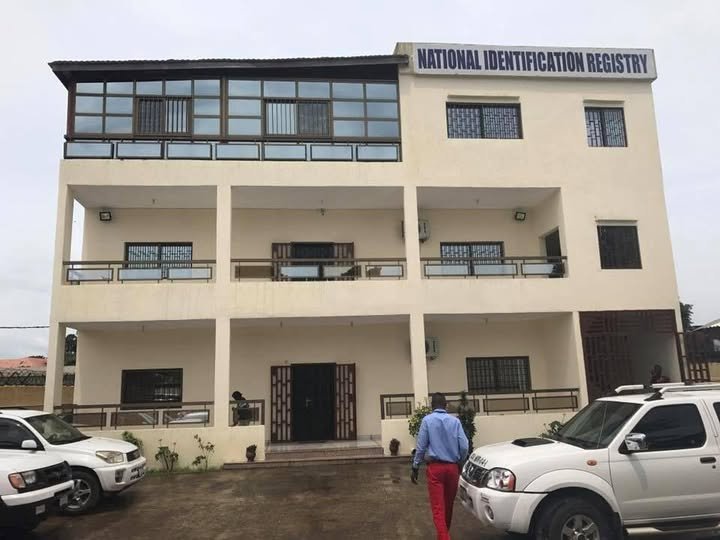
Currently, NIR already exists. Liberia already has a National Biometric Identification System. The Registry already possesses equipment, databases, software, and enrollment infrastructure. So before buying a new system, where is the inventory of the old one? How many biometric enrollment kits does NIR currently own? How many are working? How many card printers exist? What servers were purchased? What software licenses are still valid? How much has Liberia already invested in the existing system? What equipment will be retained? What will be thrown away? And why? Modernization should not automatically mean throwing away yesterday’s investment and buying everything again.
Show Us the US$39 Million Bill
NIR should publish a simple table that every Liberian can understand:
Servers and data centers – $_____; Biometric enrollment kits – $_____; Card printers – $_____; Software and licenses – $_____; Cybersecurity – $_____; Disaster recovery – $_____; National connectivity – $_____; Vehicles – $_____; Buildings/offices – $_____; ID cards and consumables – $_____; Consultants – $_____
Salaries/manpower – $_____; Training – $_____; And maintenance – $_____
TOTAL – US$39,000,000.
That is not an unreasonable demand. It is called accountability. Liberia should also commission an independent technical and Value-for-Money assessment before entering any long-term concession, PPCC, or financing agreement. We should ask whether the proposed technology is appropriate for Liberia, whether the equipment quantities are justified, whether prices reflect international market rates, and what the system will cost to operate five or ten years from now.
This Is Not About Opposing NIR: Liberia needs NIR
We need a national identity system capable of telling us who is who. We need one secure identity that can work across banking, passports, driver’s licenses, telecommunications, taxation, social protection, and other government services. But modernization and accountability must travel together. When a government agency asks a country with Liberia’s limited resources to support a US$39 million investment, citizens should not be treated as troublemakers for asking questions. And NIR should welcome those questions.
The Registry may ultimately demonstrate that US$39 million dollars is necessary. If so, publish the evidence and let Liberians see it. Until then, the question remains:
Rwanda has more than 14 million people and allocated about US$39.3 million to digital identification and authentication. Liberia has roughly 6 million people and is discussing US$39 million. Meanwhile, Liberia already has a US$30 million World Bank GREAT Project that specifically includes National ID rollout.
So, before another contract is signed or another obligation is placed on the Liberian people, NIR must show us the Bill of Quantities; show us what the World Bank is already paying for; show us what Liberia already owns; show us what will be replaced; and show us exactly what the Liberian people will receive for US$39 million.
Modernize the National ID system, but first: Show Liberia the bill.